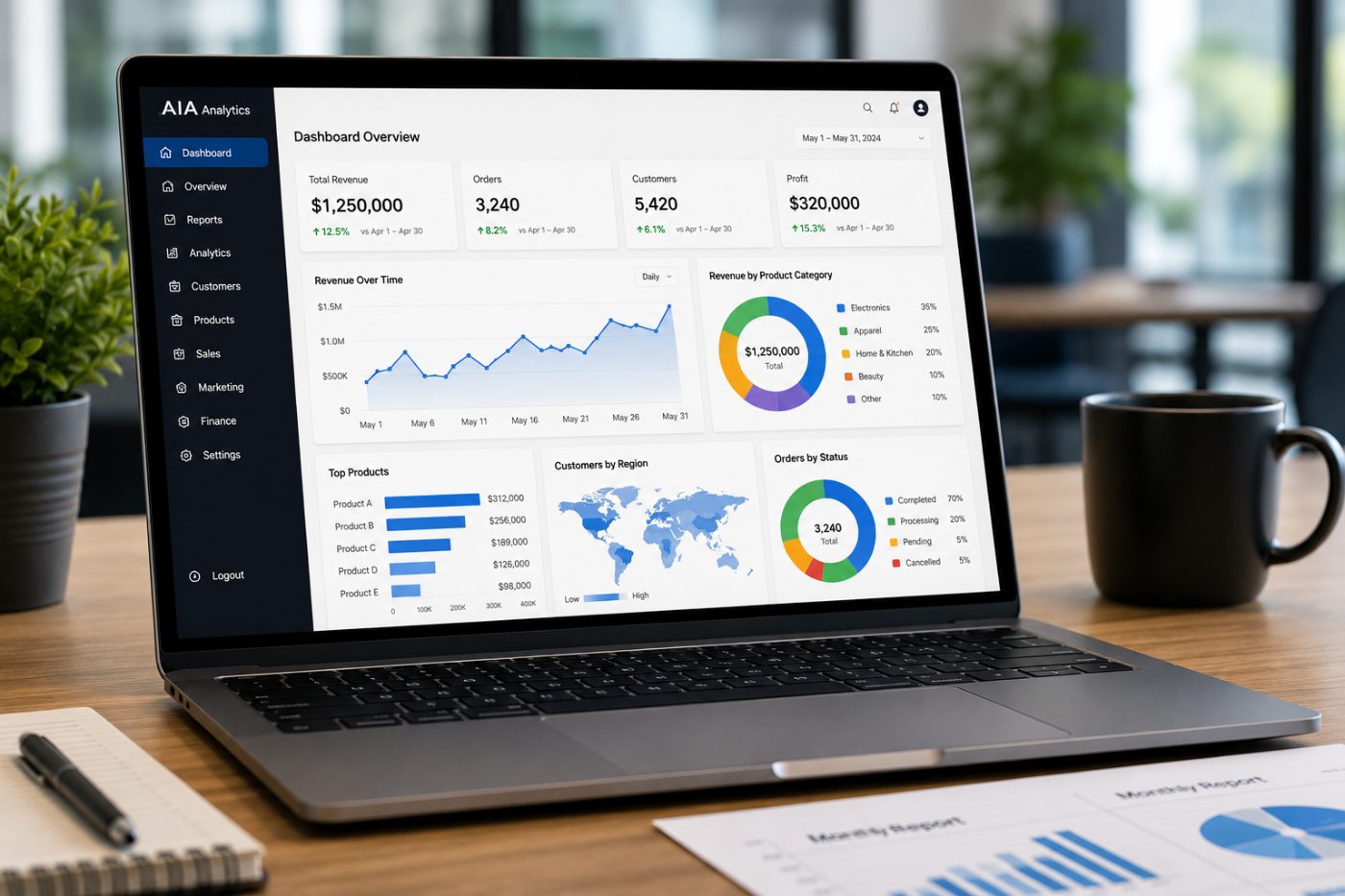
Why Data-Driven Decisions Drive Better Business Operations
Why Looking at Your Data Is the Best Decision You’ll Make This Year
If you run a business, you make dozens of decisions every week. What to stock more of. Who to hire. Which marketing channel to double down on. Whether that new process is actually working.
The question is: what are those decisions based on? For a lot of businesses, the honest answer is experience, instinct, and whatever feels right in the moment. That’s not a bad start — instinct built on real experience is valuable. But instinct without data is a little like driving at night with your headlights off. You might know the road, but you’re still missing what’s right in front of you.
What “Data-Driven” Actually Means
Data-driven decision making doesn’t mean drowning in spreadsheets or hiring a team of analysts before you’re ready. At its core, it just means one thing: before you make a call, you look at what’s actually happening in your business, not just what you assume is happening.
That could be as simple as:
- Checking which products or services actually generate the most profit, not just the most sales
- Noticing that customer complaints spike every time a specific process changes
- Seeing that a marketing channel you “just know” works is actually your weakest performer
- Tracking how long a task really takes versus how long you assumed it takes
None of this requires expensive tools. It requires a habit: look at the numbers before you decide, not after.
Why Gut Instinct Alone Falls Short
Instinct is built from memory, and memory is selective. We tend to remember the one loud customer complaint, the one great month, the one employee who went above and beyond — and we build our decisions around those standout moments. Data doesn’t have that bias. It shows you what happened across the board, not just what stuck in your mind.
This matters most when a business is scaling. A process that worked fine with 10 customers can quietly break down at 100, and the only way to catch that early is by watching the trend, not waiting for the complaint.
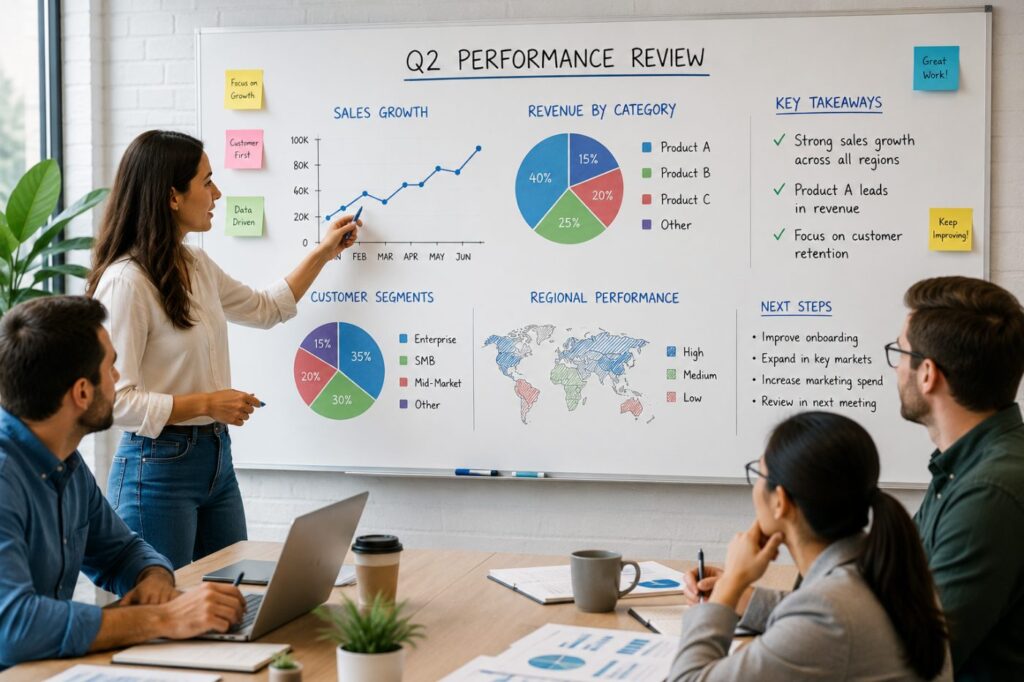
How Trends Change the Picture
A single data point tells you what happened once. A trend tells you what’s likely to keep happening. That distinction is where the real value sits.
Say your customer support tickets jumped last week. On its own, that’s just a data point — maybe it was a one-off. But if support tickets have climbed steadily for three months, that’s a trend, and it’s telling you something structural has changed: a product issue, a staffing gap, a process that no longer scales. Trends turn scattered numbers into an early warning system, giving you time to fix a problem before it becomes a crisis.
Where This Shows Up in Day-to-Day Operations
Data-driven thinking isn’t just for big strategic calls. It quietly improves the everyday running of a business:
Staffing and scheduling. Looking at real traffic or workload patterns — not assumptions — tells you when you actually need more hands on deck.
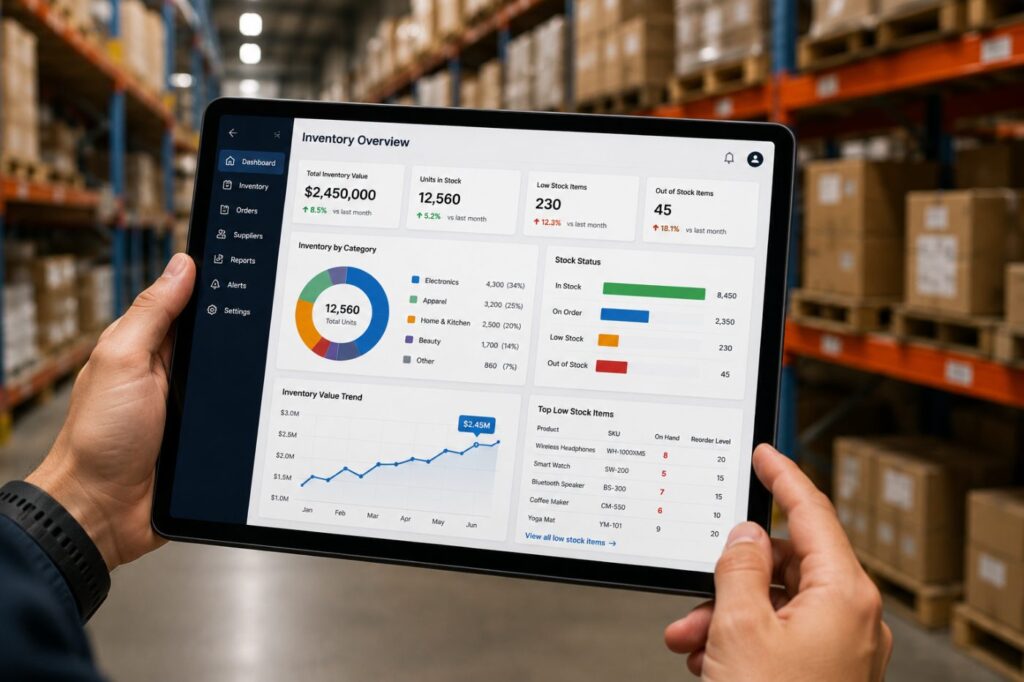
Inventory and supply. Sales data shows you what’s genuinely moving versus what you’ve just always ordered out of habit.
Marketing spend. Conversion and engagement numbers tell you where a dollar actually earns a return, instead of where it feels like it should.
Customer experience. Patterns in reviews, refunds, or repeat business reveal exactly where the experience is breaking down.
In every one of these, the businesses that check the data before acting tend to fix small problems while they’re still small — and the ones that don’t tend to find out the hard way, usually when a customer or a P&L statement tells them.
Getting Started Without Overcomplicating It
You don’t need a data science degree to start. A simple, honest process works:
- Pick one area you make frequent decisions about — staffing, marketing, or inventory are common starting points.
- Track it consistently for a few weeks, even in something as basic as a spreadsheet.
- Look for the trend, not just the latest number. One week rarely tells the full story.
- Let the data challenge your assumptions. If it disagrees with your gut, that’s usually the most valuable moment — it’s showing you something you’d otherwise miss.
Over time, this becomes less of a project and more of a habit — the same way checking your bank balance before a big purchase becomes second nature.
The Bottom Line
Instinct and experience will always matter in business. But paired with real data and real trends, they get sharper. You stop reacting to problems after they’ve already cost you money or customers, and start catching them while they’re still small and easy to fix.
Looking at your data isn’t about replacing your judgment — it’s about giving your judgment something solid to stand on.
Have a business question you’d like to see us dig into with real data? Let us know — it might be our next post.